Showing posts with label Travel Journals. Show all posts

November 6, 2012

Where do you find Ordinary Magic?


The Chhatra Sagar luxury tent village, India: Tasting Royal Rajasthan

"Another incredible place! They took Ann Coffaro and I on a guided bird walk. I saw one hundred and twenty new birds in India. My favorite was the Bee-eater. Talk about birding in style! A porter to carry the scope and refreshing drinks on a tray at the end of the trail." 
~ Tara O'Leary, India 2012.


Each time I visit India, I find myself slipping between the veils of past and present, of luxury and the ordinary. I am reminded how thin the line is between the extraordinary and the everyday. 

Devi Garh is my favorite hotel of the program, an 18th century palace fort that royally commands the valley and looks out over the Aravalli hills. Bo-chic in style, its modern interiors are minimalist, austere five-star elegance, a bit "Indian Zen."
 
The surrounding natural landscape offers solace. The colorful village below, with intermittent baby blue houses, offers charm. I learned the motive for this brilliant color is two-fold: the paint keeps insects away and also praises lord Krishna. On my first visit to this divine place, I left the fairy tale world of the palace hotel, the bathtubs filled with rose petals and airy verandas, and went for a walk in the village down the hill. 

Barefoot shop owners sat before scales on old wooden counters or on the floor. Some were turbaned, some not. We nodded hello to each other as I passed. W
omen carried food or water jugs on their heads, gliding gracefully in their saris, as vibrantly colored as the fruits and vegetables spread out on blankets and carts. The village astrologer sat on the corner, dressed in red next to a sky-blue wall, waiting for a consultation. Carts of vegetables displayed local varieties with names like "Lady Fingers" and "Gentleman's Thumbs."

I followed some of the women through a doorway and found an old man making the
terra cotta pots used to store cool water. With white hair and beard, he stooped and twirled his wheel with a stick. Once it got going to the speed he was happy with, he threw some clay in the middle and started molding. Three small pots were produced within minutes:
Devi Ghar Village Potter

These are the moments I cherish. Easing into the pace of local life and discovering the artfulness of a simple, age-old skill. Watching an old man's hands shape clay into pots, or the hands of the women easing the pots onto their heads, calling their little ones to follow down the road. So often travel to a faraway spot reminds us to appreciate the magic of everyday life. The finer elements of this particular program always bring me back to the simple pleasures that lend soulfulness. 

We invite you to join us, in Rajasthan this February

With love, 

Peggy

July 7, 2012

Living Between Curious Worlds

The creek is high, rushing and coffee colored. Surrounding trees are full and green, happy with a full drink of water from yesterday's rain. The Flatirons sit pretty in the distance looking down on the plains with barely a glow of early morning light coming from a vast, cloudy, yet blue Colorado sky. Birds and hidden animals take delight in the moist air and cool temperatures, and so do I.

Left hand creek after a storm. The Queendom. Longmont, Colorado. 

Rain has washed over recently burnt hills bringing with it a mix of tree ash and eroded earth down valley carrying it to who knows where. This is how the great west was formed. The Grand Canyon, the Great Sand Dunes, magnificent earth sculptures moved around, carved and pushed up against fourteen thousand foot peaks from primordial wind storms, ice, great rushing rivers and forest fires started by lightning strikes. Not far away,  parched areas of land, a veritable tinder box stretching for thousands of acres, has burned out of control for a few weeks covering 136 square miles, stripping everything in its path. Precious Rocky Mountain high air quality; poor.

But this morning, the wisdom of nature has righted itself. I sit appreciating this as I listen to the roar of the creek and all that is beautiful about Colorado and the great western United States.  It makes leaving the bosom of Italy, the quaintness of Europe, a more civilized way of living life, easier.

The center of the Universe. Cibreo Caffe'. Florence, Italy.

Just days after leaving the taste of fresh figs and just-made ricotta, my mind and palate linger in the memory of daily walks to the market. Seasonal fruit bursts with color and true taste. My basket is full of deliciousness; hearty bread, flavorful proscuitto, mozzerella di buffala, sweet pomodorini, pungent green extra-virgin olive oil, mineral rich Sicilian salt and bright yellow zucchini blossoms to stuff. I dream of the swirls of spicy oil that I will anoint a dish of fresh tomatoes and basil and ponder what crisp white wine will be good to serve at sunset. Will I choose Falanghina or Fiano to delight my guests as we hug the Amalfi coast offering up a taste of place as the wind blows?

Fresh figs and ricotta. Casa Parlascio. Florence, Italy.

Sitting just a few short days ago in my fourth floor apartment that looks at the back of the Palazzo Vecchio in Florence, I marveled at it's perfectly cut stones, large Renaissance windows and tall handsome tower. Swallows dance at dusk and the light pours in softly on my cheerful tablecloth. The Japanese tea pot sits empty, having poured it's last cup of tea into a grey-glazed handmade cup that fits a bit 'wabi sabi' into my hand. These are images that soothe my soul. The paintings on the wall speak. The textiles tell stories of where they came from and I feel shy that I love these inanimate things. I know I will miss them, the stone Buddha, my nest in the sky, how it holds as a place of rest and creativity for me, my friends and family.

Casa Parlascio. Florence, Italy.
Casa Parlascio. Florence, Italy. Photo Graham Markel
This home is a refuge. A place where I live half of my life, a pied a terre, to go from here to there for my culinary programs in that part of the world. I look forward to the wood-fired ovens of Tuscany. To sailing the Med, on her cobalt and aqua marine seas basking in Neapolitan goodness and island splendor. To Sicily, for mandarins, almonds, antiquity and wildness. To Morocco and the Atlas mountains for the Berber way of life and Marrakech for exotic, playful, artistic feasts.


Camel Safari with friends. Sidi Kaouki, Morocco. Photo Ashley Mulligan
And then, within a day, I take a big leap back home to the other half of my life, to purple mountain's majesty and amber waves of grain. I have family, grown children, gorgeous blonde curly headed grandchildren, a nurturing, patient boyfriend, and wonderful friends who speak the same language. I have biography here. Years of living, drama, loss, happiness, life lessons, study, and love. I come back to a country that is built on liberty and justice for all (yet spends billions in an election year rather than on what matters). The good ole U S of A.

Crestone, Colorado
Home on the range close to my house. Boulder, Colorado.


I imagine the tension, anxiousness and possible peacefulness of what it would be like to slow down to the point of staying in one place. I know that a life spent roaming around and around and around is stimulating and meaningful, but it's also addictive. I wonder sometimes how long I will keep it up as if, then what? What does it mean to stop? I can hardly imagine what old age will be like.Will I be a wise old woman who likes to tell stories. Will I take up knitting or writing. Will life become static and boring? Life is not static anyway, anywhere, as long as we are alive and engaging our minds.
 So the question remains open.

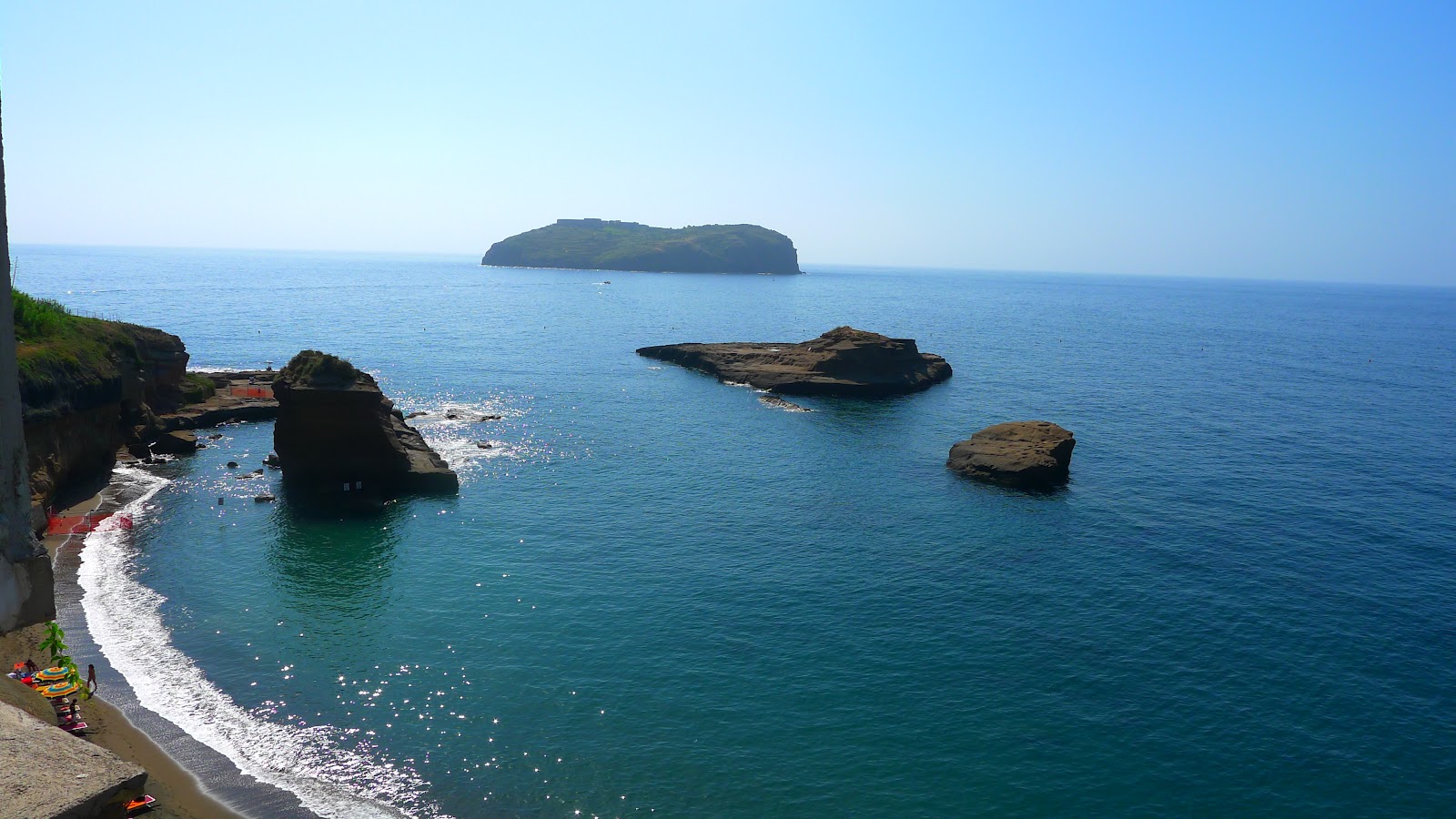
Ventotene. Italy.


It's a privilege to travel. It is my work and has become what shapes my life. Back in the Queendom of Colorado, at the home of a good friend, I find the part of me that loves high altitude living. Recently the temperatures were extreme. High and dry, the mountain air sucks every bit of moisture from your face, the ground, the creeks, even snakes climb trees looking for shade. Then it breaks into it's opposite. Flash floods. Cool. Cloudy days that bring relief. My mind turns towards shopping for food at the market and what one eats in this climate and I become nostalgic for Italy, Morocco and India. Cultures who's lives revolve around family and real food put more attention on growing good food. I love the traditional dishes that speak of locality, identity, age old wisdom of how to eat in a certain season, what spices to temper in which oil, what flavors naturally go well together. I ask myself, how will I relate to every day life in the Rockies as opposed to Rajasthan, or Sidi Kaouki, Vallelunga or Ventotene?

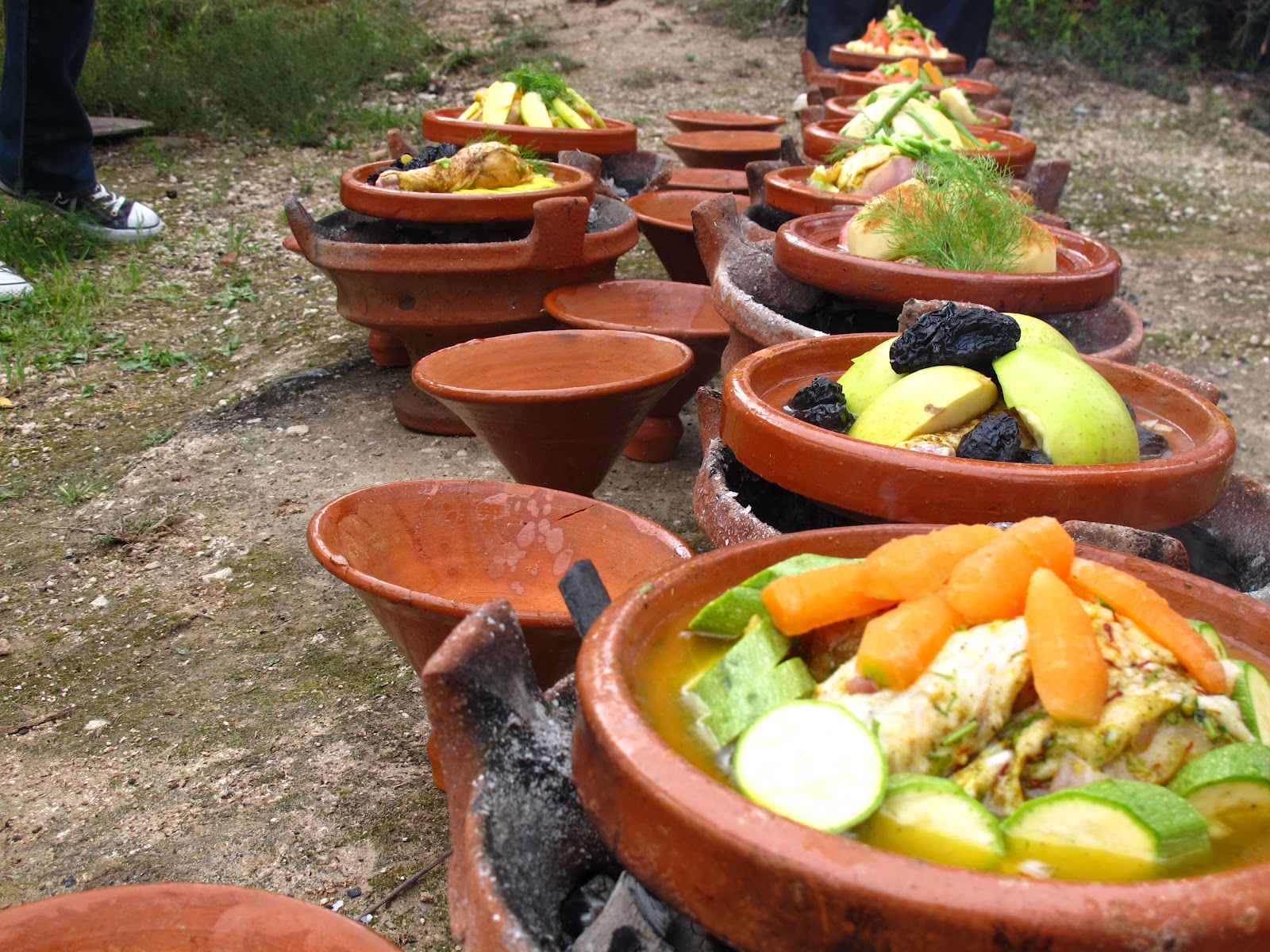
Tagine. Jnane Tamsna. Marrakech. Photo Ashley Mulligan


 Luckily, the fresh corn will be plentiful and the apricots and peaches native. I will have to use my senses and experience to eek out the best of what grows naturally here and prepare it in ways that I have learned to make sitting down for meal an exquisite part of the day. I am beyond grateful that I have known and been exposed to some of the more brilliant slices of the world.

There is no doubt that I experience groundlessness, a lack of settling in, moving from place to place. But in each place I find home. Home is within my perception, my experience of taking in whatever the moment is offering. The most important quality for traveling is curiosity. It implies an open mind. Patience is a close second and tolerance makes it the holy trinity.

It takes a few days to transition and in these times of change, I see myself and the world more clearly and appreciate the differences and similarities, the white tailed deer scampering across the field, the broken windshield wipers, the small irritations that have no gender or place, the opportunity to have choice and be free, the smile of an old friend, the heron on the pond, an inexpensive long talk with my sister, a peaceful place to lay my head, a beautiful landscape. It's an opportunity, right? To see through what we usually don't see when our minds are preoccupied and the landscape is only a backdrop. Getting big enough to include it all and be patient with myself in the transition process is key. And it makes life curiouser and curiouser.

photo by Ginny Jordan here at the Queendom


Photos by me, unless otherwise specified.


May 1, 2012

Ode to Okra


Candlelight graces a table on our houseboat in Kerala. Tears well and fall down my cheeks at the taste of okra. The cook comes in, "Ma'am are you alright ? Was the food too spicy for you?" I smile and nod subtly sideways, the Indian way that says, no, yes, maybe.

"Her father died two years ago," my friend tells him. The cook's bright smile closes as he says, “I'm sorry.” He didn't question why tears should be falling from something that happened a long time ago. In India, crying is normal.

Meanwhile, I sat there feeling the tears roll down my face fresh as rain, moisture on dry thirsty skin. I was not at the table in my mind, but found myself clear as the early morning in a memory of being in the family garden with my father.

Peppers were all hot and ready for pickling, the tomatoes were heavy on the vine, pole beans were falling from the trellis and the okra was sticking straight up, tips to the sky.

I remember okra growing in my grandfather’s garden in the deep-southern terracotta colored dirt of Clay county, Alabama. That orange earth, particularly infused with minerals, never lacked for nutrients. Neither did we. The taste of corn, black-eyed peas and, of course, okra gave a a lasting flavor in the mouth of something you wanted more of. Long stems grew tall with subtle yellow flowers in springtime, before warm, sensual summer nights encouraged the nub of okra to swell almost overnight.


As my grandfather hoed around the plants one morning, he heard a squeak. He had come upon a bed of baby rabbits. He brought them to me with the eyes of surprise. I fed them a baby bottle. They didn’t make it. 

Picking okra is prickly business. A chance to wear papa’s worn-out long sleeved, red flannel shirts. I liked to wear his striped overalls as well, the older the better to play farmer. My sisters and I played in the old smoke house, hoed in the garden, drew water from the well and amused ourselves playing hide and seek in the corn patch.

Cutting okra was slimy. Putting it in a paper bag with cornmeal and shaking it was the way to take care of that. Dropping it in hot corn oil and watching it turn golden, is a visual memory that sticks, a fried delight that can’t be beat. With a rain of salt it gives a crunch of southern satisfaction.


Fried okra is a staple in the south with black-eyed peas and cornbread.  Not everyone’s friend, okra becomes triple unxious, seedy and slithery not unlike cooked snake, but less chewy, when boiled. I have eaten snake before, rattlesnake, that had been caught and killed in the hills of Tennessee and skinned for it's skin. I tried it. I can assure you it tastes like chicken, not boiled okra. I'm not saying that okra tastes anything like snake, just that if you wanted to make an obsequious Halloween dish, blindfolded, boiled okra would do it.

Those times are gone along with grandfather and my father. In the familiar heat of Kerala, on a houseboat, I had a conversation with childhood and a loving memory through the association of a vegetable. Visions come not only with psychedelics, but taste memory in bright living color.


April 10, 2012

India: Shahpura Bagh, Part One.

High over the mustard field tiny warblers jump from plant to plant. It early morning, but not for the jackals and peahens. A warm breakfast of freshly made yogurt from the dairy and poha, a puffed rice colored with turmeric and flavored with a masala blend of spices, mustard seeds, and red capsicum graces the clean white porcelain plate with color and appetizing aroma.


A barefoot priest in a dhoti, jacket and rather elaborate turban comes through the gate on his bike. He brings a piece of incense with him, lights it and says prayers at the doorway and leaves.

Poised for action, a hand holds rose pedals ready to drop on arriving guests. 

We make ourselves at home. 

A sunset drink at the family Fort gives the impression of a time gone by. Villagers come out to greet the great grandson of the Maharaja of Sharpura. Especially the old gatekeeper.

 He was a boy when the old palace was full of life. Now he is a grandfather himself.

 Daikon radish stick straight up. A garden harvest stuck on this villager's head to free her hands for proper sari etiquette.
 Young boys are the same all over the world. Who will they grow up to be? The youngest brother. A banker?

Coy and demure, her eyes, her posture, says it all.

A view not unlike the Serengeti, was a favorite hunting ground for tigers. They were plentiful then.
A noble daughter who shot her one and only tiger when she was a teen, who's  in her 70's now said, "It was a different time, a different story. Now they are outnumbered. " Not proud as the day it happened, her father beaming.


The rooms of the palace still hold mystery and charm. This was the bathing room.

 A balcony of repose.

The gatekeeper served us wine and we drank to the whispers coming from the tower walls.


March 8, 2012

India: Ayesha Manzil's Malabar Coast Cooking.

Ayesha Manzil, an old Heritage mansion, sits on a hill with a close view of the warm Arabian sea. 

It was built by an Englishmen, who was one of the first to set up the East India Trading Office, trading spices from the port of Tellicherry. Pepper, the main sought-after commodity was grown nearby,
as well as cinnamon bark and cardamom. These spices along with coffee were stored in the old Portuguese fort until they were ready to be shipped. In those days, the Malabar coast was the epicenter of the spice route, and no other community makes better use of those spices that the Mopillah, the Muslims of North Kerala. 

C. P. Moosa's grandfather took the house over in the 1800s—Moosa has lived there his entire life and, at 60, it seems nothing has changed. Not the furniture, the fans, nor his way of welcoming guests. He pioneered the "home stay" here in India 17 years ago, now especially popular in the south. "There were no good places to stop and eat between Mysore and Cochin," he says, "so I offered my home."

As a hotelier, Moosa knew the business of taking care of people and what needed to be done. His wife Faiza, an accomplished cook with passion, also liked the idea of offering cooking classes to weary travelers as a window into the local culture. Together they make fine hosts. Their staff is comprised of a handful of local men who do everything from set the table, do the books, the laundry, and serve tea. 

An old white Ambassador was waiting for me at the train station, along with Alan, my escort from the house (Alan Mendoza's forefathers arrived from Portugal 500 years ago he was proud to tell me, and he still considers himself a certified Portuguese with papers). When we arrived at Ayesha Manzil, Mr. Moosa, barefoot and curious, was there to greet me.

"Hello Peggy. I am Moosa. Come." He motioned Alan to take my things up the stairs. "Get freshened up. You'll have dinner, then a good rest, and we'll be off to the market by 8 am."

There's nothing that thrills me more about the hospitality business, rather than chatting with a totally relaxed aristocrat in a lungi [Urdu for "loincloth" or "skirt"]. It makes for a most interesting stay, with me ready to throw off my shoes and street clothes and adorn the same. Lungi's are the native dress for men, and they all wear them, at least at some point in the day. There are simple ones of checks and patterns, or white with a gold trim for more formal. The sari is traditional for women, with the same informal and formal description. Off white with a gold trim, is the signature look for Kerala. It's dignified and pure. In the slow south Indian culture and climate, this sort of dress makes total sense, and if the food wasn't so good, it would be the first reason to be reborn there. 


Mr. Moosa.

Rosewood beds, teak dressers, wooden floors, all in the neighborhood of 100 to 150 years old. My room was proportionately spacious on the second floor. A big box with a high ceiling, a long desk, and two twin four poster beds with antique mosquito netting that fit over the top and corners and hung down below the mattress edge. Diffused light came from the north facing window  in a Dubbusey-like moment, soft on the eyes, falling on the chaise lounge where I loved to lie in a daydream. I could have danced with arms outstretched on the old floor and perhaps no one would have heard me below. Their were no paintings or pictures on the wall. Just practical pieces of furniture and space. I never wanted to leave the room. They had to call me for breakfast...and dinner once, as well. 


But leave I did to get into the kitchen with Faiza. Her long Colonial kitchen was simple, but ample with two burners on a narrow stainless steel bench. She gives cooking classes every day and this was Sunday. It should have been a day of rest. She worked with me anyway, knowing that she would have the afternoon to herself. We made tamarind prawns and tamarind eggplant, both with the same base, and the most delicious okra thiyyal.  "When you cook with Faiza, your fingers do the motions, you put this and that, but really, you talk about life!" says Moosa.  

Indian cooking is not difficult, if you have the ingredients. And like anywhere, it always tastes better where it grows. Getting my hands on the tamarind was a new experience. Soaking it from it's dry form, it's necessary to squeeze the pulp twice to get the most out of it. It's sourness is most pleasant and a necessary flavor in south Indian cooking. I never would have thought to add it to either shrimp or eggplant. But it worked. 

Indian recipes are almost always overwhelming with the number of ingredients. Yet, they are quite happy together and even with the complex flavor, you would never know there are so many. 


CHEMMEEN VARATTIYATHU
Tamarind Prawns

1 1/2 cup of prawns (as fresh as you can find and cleaned)
2 small red onions, chopped into small cubes
1 small tomato
6-10 fresh curry leaves
2 green chilies, sliced
2 cloves of garlic, chopped
1/2 in piece of fresh ginger, chopped fine
1 1/2 T chili powder (this is where the rubber meets the road)
2 t turmeric powder
2 t coriander powder
a small ball of tamarind (the size of a lime)
1/2 cup of coconut oil
1/2 t mustard seeds
1/2 r fenugreek
salt to taste ( at least 1/2 t)

Clean and wash the prawns. Add 1/4 t termeric, 1/4 t chili powder and a few pinches of salt to the prawns. Make a paste and marinate for 10 minutes. 
Heat a Kadai. (Indian wok). Pour 1/4 cup of the oil and bring to a medium heat. Fry the prawns until they start to brown, then set aside. 

Heat a sauce pan, pouring in the remaining oil. When the oil is hot, add the mustard seeds until they pop. Then add the fenugreek. When it crackles, add the
chopped onions, green chilies, ginger, garlic, curry leaves and sliced tomato until soft. Add the remaining chili powder and turmeric and stir for a few seconds.

Pour in tamarind water, a pinch more salt and simmer for 5 minutes. Add the prawns and a pinch more salt. Simmer on a slow fire until the sauce thickens. 
Remove from the fire and let sit. 

* substitute chunks of eggplant that have been fried separately. Use all ingredients (except fenugreek) and follow the same method. 


Dinner for one on a terrace overlooking the dark Arabian sea, the moon is a quarter with a planet above. Auspicious I think. This is a communist state and the moon star and sickle is a statue on the beach. I am the only guest, doted on by a staff of three. Six dishes were put front of me. An appetizer of sardine with a spicy paste grilled on a banana leaf, along with the main meal of aubergine in tamarind, rice with fruits (raisins, grapes and slivered almonds), fried, spiced, okra-flavored yogurt, prawn curry cornmeal stuffing with mussels. 

I ate with my hands. I know how to do that now. (The staff was smiling and cheering me on.) Salma Husein taught me in my first days in Delhi, but like anything it takes practice. 

I used to think the most common denominator in the world was fire. Now I think it's eating with one's hands. Everyone does it. High society, kings, fishermen. All castes. Once you get the hang of it, it's like...okay...why wouldn't you want to? It taste so good and feels good too. There is a way and it makes eating with a knife and fork obsolete. I'm even convinced that it's relaxing and therefore aids digestion. But then again, it depends on what you are eating. Indian food lends itself to the pinching of really tender meat pieces in a gravy, as well as mixing everything with all of your fingers very carefully, then popping it into your mouth. It's quite an achievement, and comes easy after you stop thinking about it. Totally natural.

"What is this?" said the cook. (A spoon.) "God gave you hands!" Here, you start off feeding babies with your hands. I think now that it is a good trick. There is something transmitted to the child from the mother about the taste and love of food.

Why was I so enthralled with this meal? It was not so different than the other lessons I've had. I was attentively savoring and celebrating the flavors of this marvelous cuisine. What could have made this so good?? Then I had a shaktiput experience...I had cooked it myself! Yes. at the loving hands of Faiza Moosa. The first meal I had cooked in over a month. Whether true or not. I did notice something.

The pineapple trifle with ginger tea went down rather well afterwards and so did the moon. 


The Fish Market of Tellicherry.

I have visited fish markets all over the world, in many different cultures, and love the vibrancy, the smell of salt and sea, the earnest looks of fishermen presenting their hard work for chefs and villagers each day. But for some reason, this fish market in Tellicherry, India made me sad.


I'm starting to look at fishing as something that will disappear, a way of life that is actually dying off. What will scores of fishing villages do? I am not opposed to fishing obviously—I am a cook and I love all fresh foods. But my knowledge of what's happening to the oceans is starting to make these sort of markets hard to swallow.

Having a soft spot also shows the terrible beauty of a freshly caught fish draping off the side of the counter with still brilliant eyes. A fresh death.


Fish have been a necessary protein for the people of Kerala. Their state is long and coastal. We can still watch the fishermen in their ancient boats with their nets that hug the coast. There is history here, of traders being blown off course from the monsoon winds, who ended up finding some of our most valued spice treasures.


Where will the modern world take them?

---
Take a peak at some photos from Tellicherry's vegetable market on the PMCA facebook page. 

November 6, 2011

She Might Be In Tangier


"If you see her, say 'hello', she might be in Tangier..."This Bob Dylan song came to me, along with "Boots of Spanish leather," while crossing the strait of Gibraltar a few days ago. It was no different than any other ferry crossing, just more significant. Leaving Tarifa, Spain's final beach, for the minarets of Morocco follows the thread of many a famous traveler.

I frequent ferries in Italy, going from the mainland to many of the outlying archipelago. Yet, leaving Europe behind to cross over only 9 miles of open sea to end up in North Africa, has adventure written all over it. Especially for those who swim it.
 
When I meet fellow Americans traveling abroad here in North Africa, I ask them, "What did you expect to find here?" Almost without exception, regardless of the way they express it, the answer reduced to its simplest terms is: a sense of mystery.  

~ Paul Bowles.    

 Paul Bowles                                                                 Matisse's Green Door. Tangier

 I can only imagine what it must have been like when author and composer, Paul Bowles (The Sheltering Sky) was encouraged by Gertrude Stein to go to Morocco, for the first time in 1931. Tangier was accessible and exotic. A completely different world full of magic and mystery. Unknown places delight the imagination at every turn with intrigue, curiosity, and heightened awareness. It has attracted and inspired artistic expression from the likes of Delacroix and Matisse. Bowles was the 'go to' man for many writers like Truman Capote and Tennessee Williams. Beat poets like William Burroughs, Allen Ginsburg, Gregory Corso, and Kerouac also knocked on the door,  attracted by the avant-garde Parisian playground. Yet, he was no beat poet himself. Even though he had experimented with hash from the Rif mountains and delved in exploration of consciousness, he was an older well-dressed, serious writer and composer.

Influential cookbook author Paula Wolfert, who came to Tangier also as a young beatnik 50 years ago, just came out with a new book simply called, The Food of Morocco. In it she writes,
"I had come to an exotic land in search of "The Other". I was, I thought, prepared for most anything. I soon discovered that it was I who was actually "the other" and as I explored, and made my way through the narrow streets of the medina of Tangier. It was not the kind of adventures described by Bowles that befell me, but something that I was not prepared for: the seduction of Moroccan Cuisine."

There was nothing extraordinary about the markets or the streets that we saw, Tangier now 50 years more modern. Yet we could imagine what they were like 50 years ago, when we turned the corner in present time and saw a woman in a quiet square at the well cleaning her fish, her head covered and her clothing simple. She was a shy portrait of the past. I didn't take her picture.

Remnant bread was gathered and put into a sack and set by a central neighborhood door. Bread is precious and recycled into other dishes, such as puddings.  Still, nothing is wasted.

We stumbled across a doorway where people, even young girls, were carrying trays covered in cloth. It was the community oven, where a man stood at the mouth of it in a pit and shuffled trays of roasted seeds, nuts and bread around. He would dump the roasted seeds into a woven basket, slosh a bit of water on them, then  sprinkle some salt. The seeds would be mixed by tossing the basket up and down. They were pitch black sunflower seeds, not ones that I would want to eat, but supposedly the Tanjawi's like them that way.


The old man,  tiny with a grey beard and faded clothing, had the sweetest eyes. He offered us a small round cake to try. We were peckish and quite grateful for the nosh. What a hot life to live in the mouth of the oven all day. What a blessing to bake bread for your community.
 

We passed another stall where women were making the breakfast bread. They had their flour cloths out with mounds of dough on top. When they were ready to cook it, they flattened it a bit with their hands and put it on a flat-top stove. To further "iron it out", they sat an old tin kettle on top, half full of water. It's uniformed flatness and crust no longer a mystery. Generous and kind, they tore off pieces of warm bread for us to try. At every turn, traditional Berber women with conical shaped hats from the Rif mountains were busy selling something. In their tradition, the women run the business. Whether selling goat cheese, chickens or fresh sardines, they rise early, make their way to town, trade, tuck their money into their skirts and head back to the hills.
 
Our lunch came next, and by this time, who was hungry? We were taken to simple place, La Tavern de Poisson; a Moroccan fish restaurant populare, where we were served a brothy fish soup with barley couscous out of a large terra cotta vessel heated over a standing coal fire. It was settling and delicious. Two savory dishes followed, another seafood dish full of the tiniest squid, shrimp and white fish, with celery root and spinach, spiced with lemon, cumin and ginger. Quite tasty. Grilled John Dory and Sole came after, with baby shark skewers on the side. No wine of course, but Hassan the waiter, who looked
like a genie, took us into the back room where he showed us that he was brewing figs, grapes and their stems, quince, apples and who knows what else. It is their own special non-alcolholic 'vino di casa'. Odd to drink with fish really, but refreshing. Freshly plucked pomegranates and sweet strawberries were served with honey for dessert.


Our day in Tangier came to an end when we met our driver to Fez at the historic old, classic
Continental Hotel. We said goodbye to our guide, SaID, and hopped into the car with Hassan, to take
us 5 hours south to Fez. An hour later, he pulls over and starts retching violently. "Bad Fish for lunch",
he says. We race through the night on two lane roads, dodging trucks full of sheep and men, boys on  bicycles, donkeys bundled with grasses, dogs and donkey carts full of Rif mountain tradeswomen.

He stops, all in all, 3 times to retch before finally arriving in Fez. We snake through the streets with a man who carts our luggage and turning the last and final turn to the left onto a broken road with bricks laying about, he knocks on a door and points to the name. Dar Roumana.


From monotone sand color of stone, building and streets, the door opens onto a kaleidoscope of blue and white tiles and a welcoming dining room set with linens, soft music and a fountain. Home~at least for the next few nights. Ginger pumpkin soup and sea bass calms the nerves.. creme brulee heightens the spirits~ but nothing quite does the trick, like the gin and tonic.

My friend Kim, still white from the journey says..."make it a double please."

Photos by Peggy Markel